
Friendly Disclaimer: I’m not a doctor, just a mom who loves learning and sharing about nourishing foods. This post is meant for inspiration and general information only. Everyone’s body is different, so if you have health concerns, allergies, or medical conditions, be sure to chat with your doctor or healthcare provider before making changes to your diet.
Our Introduction to Kefir
I had never heard of kefir until about a year ago. I was listening to a podcast and it talked about fermenting foods and mentioned kefir. At that time I was interested in getting more probiotics into my family’s diet to help with some health issues we were having. After some research, I found an Etsy store and purchased my first kefir grains. The effect those grains had on my family’s health is so profound! My allergies cleared up, all of our immune systems were strengthened and we hardly get sick anymore.
Of course I can’t credit all of that entirely to kefir. We made a lot of big diet changes during that time, including reducing sugar, processed foods and adding other fermented foods and whole grains into our diets. But after some research, I discovered that the specific probiotic strains in kefir were especially beneficial for allergies and immune function. I have a post about it here. Kefir was definitely one of the top players in our family’s improved health. I hope after reading this post, you’ll be convinced to try it for your family as well!
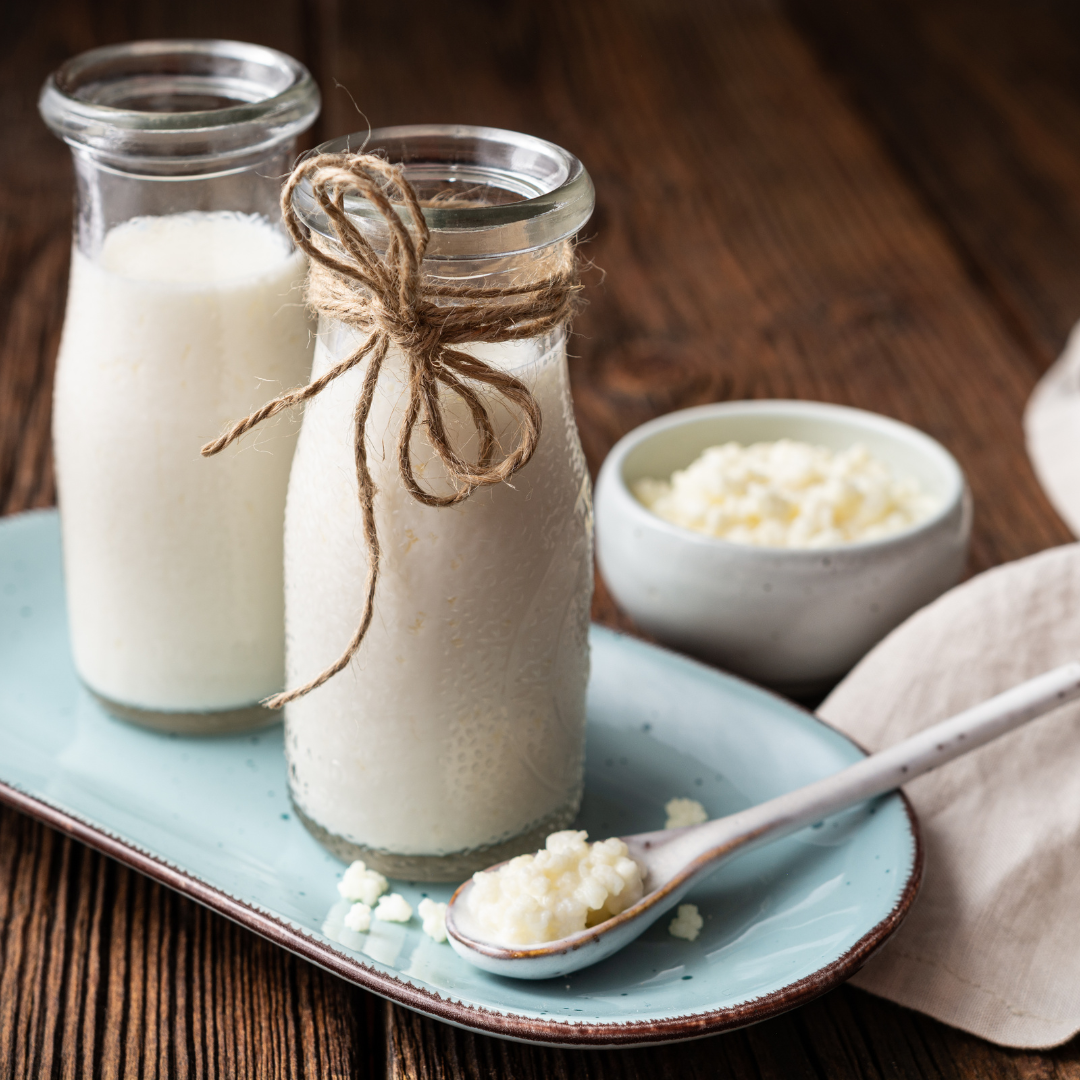
What Is Kefir?
Kefir is a form of fermented dairy made by adding “grains” (a mix of beneficial bacteria and yeast) to milk. The grains ferment the milk, making it more digestible and adding vitamins and billions of beneficial microbes—even more than yogurt! The drink is tart and tangy, with almost a lemon-y smell. When blended into a smoothie, the probiotics are so strong, it often has an almost carbonated taste, at least to me. Some people purchase water kefir grains (like milk kefir, but for water) to make a healthy soda-pop-like drink.
Why is it so beneficial?
It’s Packed with Probiotics
Kefir has between 30 to 61 different strains of beneficial bacteria and yeasts that strengthen the immune system and aid digestion. By comparison, yogurt has 1-6. A cup of kefir has between 10-50 billion colony forming units of probiotics. That’s a ton of gut-strengthening power!
It’s Also Nutrient-Dense
One cup of kefir contains around:
- 8-11 grams of protein
- 36% of your daily calcium
- 20% phosphorus
- 29% vitamin B12
- Plus riboflavin (B2), magnesium, vitamin D, vitamin A, folate, and vitamin K
Fermentation makes these nutrients easier for your body to digest as well.
It Fights Germs
According to webmd.com, some of the probiotics in kefir may be as good at fighting certain harmful bacteria as antibiotics. Certain kefir microbes—like Lactobacillus kefiri, only found in kefir—can help keep unwanted bacteria such as Salmonella, E. coli, and H. pylori in check.
Aids Digestion
Because the fermentation process breaks down a good chunk of lactose (20–30%), many people who are lactose-intolerant find kefir easier to digest. Plus, its probiotic diversity supports a healthy gut microbiome, which can mean less bloating and more regular digestion.
Anti-Inflammatory & Antioxidant Boost
Kefir’s bioactive compounds have been shown in research to help fight inflammation, neutralize free radicals, and even show promise in anti-cancer, anti-diabetic, and heart-protective roles.
Brain & Immune Benefits
Emerging studies hint that kefir might support memory and brain health by nurturing the gut–brain connection. And since much of your immune system is housed in your gut, a healthier microbiome can mean better overall immunity.
How to make it?
Many people purchase kefir smoothies from the store, but in my opinion it’s such a waste of money considering how easy it is to make at home! It is the easiest of all the fermented foods I’ve learned to make. And making it at home ensures the quality of your probiotics. Once a premade kefir smoothie has been processed, shipped, and sat on the shelf for a while, who knows how many of the bacteria are still viable.
Here are the steps to make it:
- Purchase/obtain kefir grains
- Put kefir grains in a jar full of milk
- Wait until you see a good amount of separation in the milk
- Use a strainer to strain out the grains and pour the nutrient-dense kefir milk into a bowl/container
- Take those kefir grains dump them in another jar of milk to ferment more
- Repeat
There’s no heating, cooking or anything complicated about the process! It’s literally just dump the grains into some milk, let them ferment and then strain them out to use again! There are also tons of YouTube videos on how to do this if you’re more of a visual person.
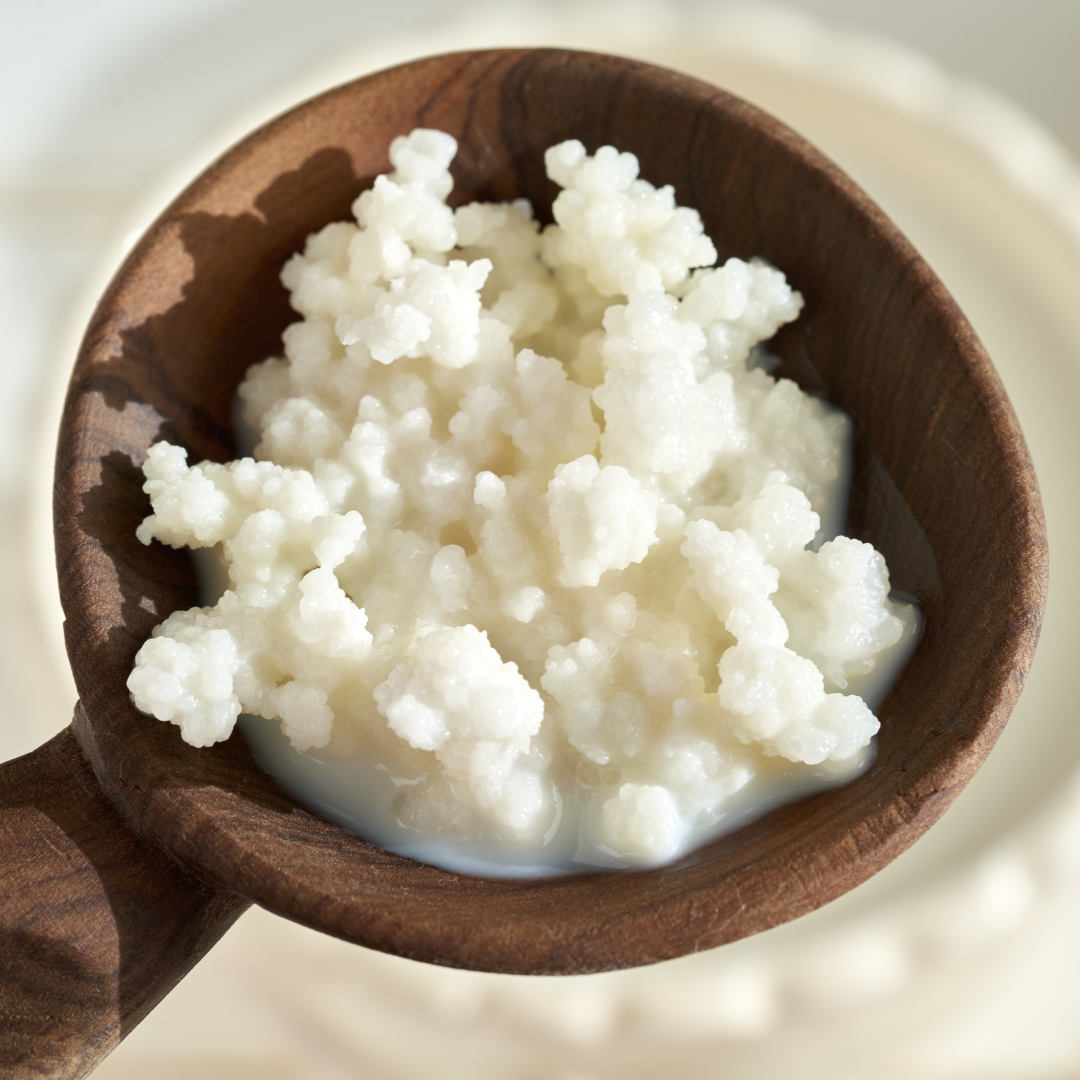
Ways to use it/recipes:
Kefir has a strong flavor, so I like to mix it in a smoothie to make it more palatable. It is also an acquired taste. I recommend starting with small amounts and gradually increasing until you are used to the taste. This method worked really well for my family. Now even my little daughters drink it no problem! They are used to the taste. Here are some ways we enjoy drinking it.
Chocolate milk (less kefir version)
- 1/4 cup kefir
- 3/4 cup milk
- Optional add in: 3-4 tbsp of organic heavy whipping cream
- 1 ripe banana or a few tbsp honey
- 2-3 tbsp of cacao powder
Blend together until smooth.
Chocolate milk (more kefir version: very strong kefir taste, but super good for you, adjust as needed)
- 1 cup kefir
- Optional add in: 3-4 tbsp of organic heavy whipping cream
- 1 ripe banana or a few tbsp honey
- 2-3 tbsp of cacao powder
Blend together until smooth.

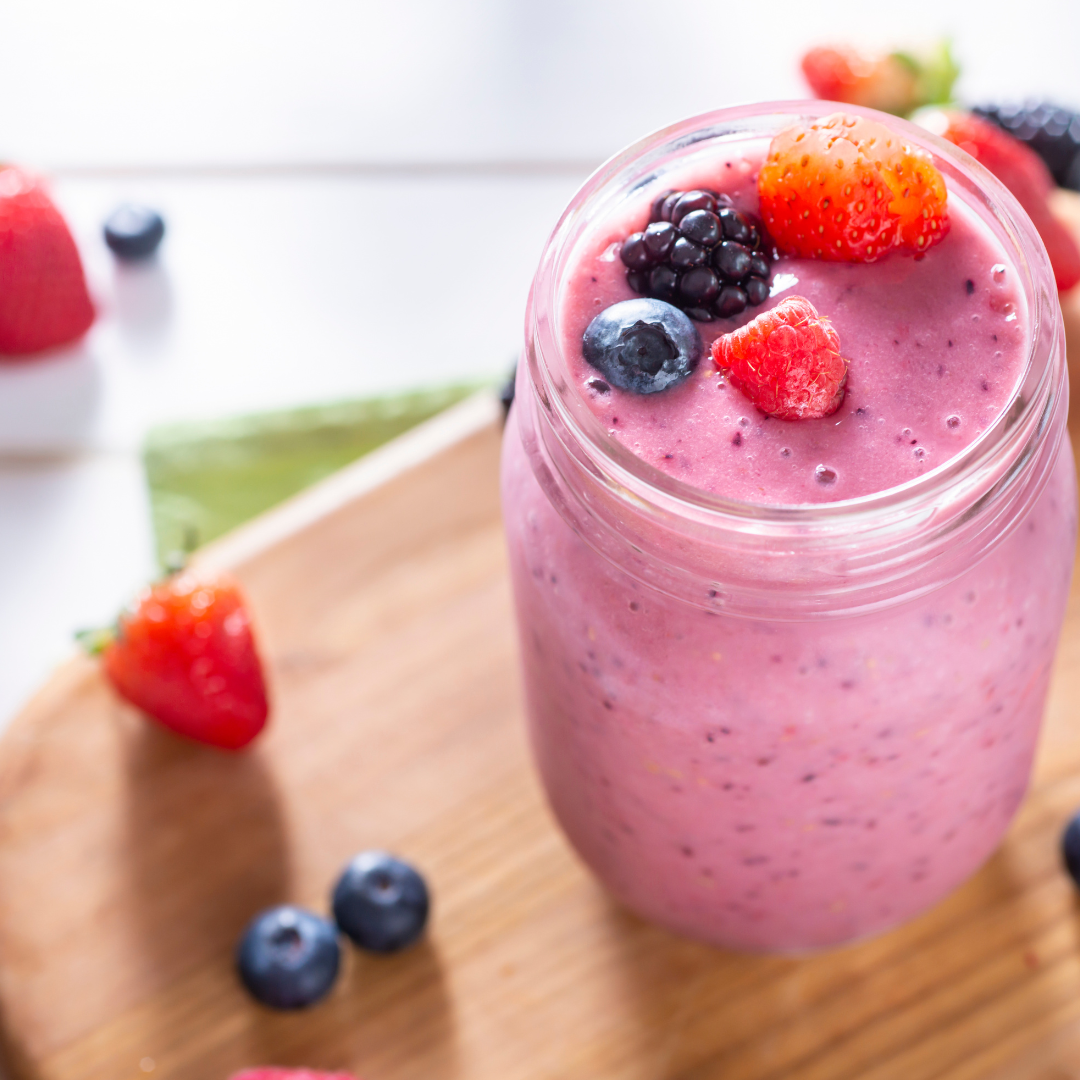
Berry smoothie
- 1/2 cup kefir
- 1/2 cup milk
- 1/2 cup berries
- 1/2 ripe banana
- 1-2 tbsp honey (to taste)
Blend together until smooth.
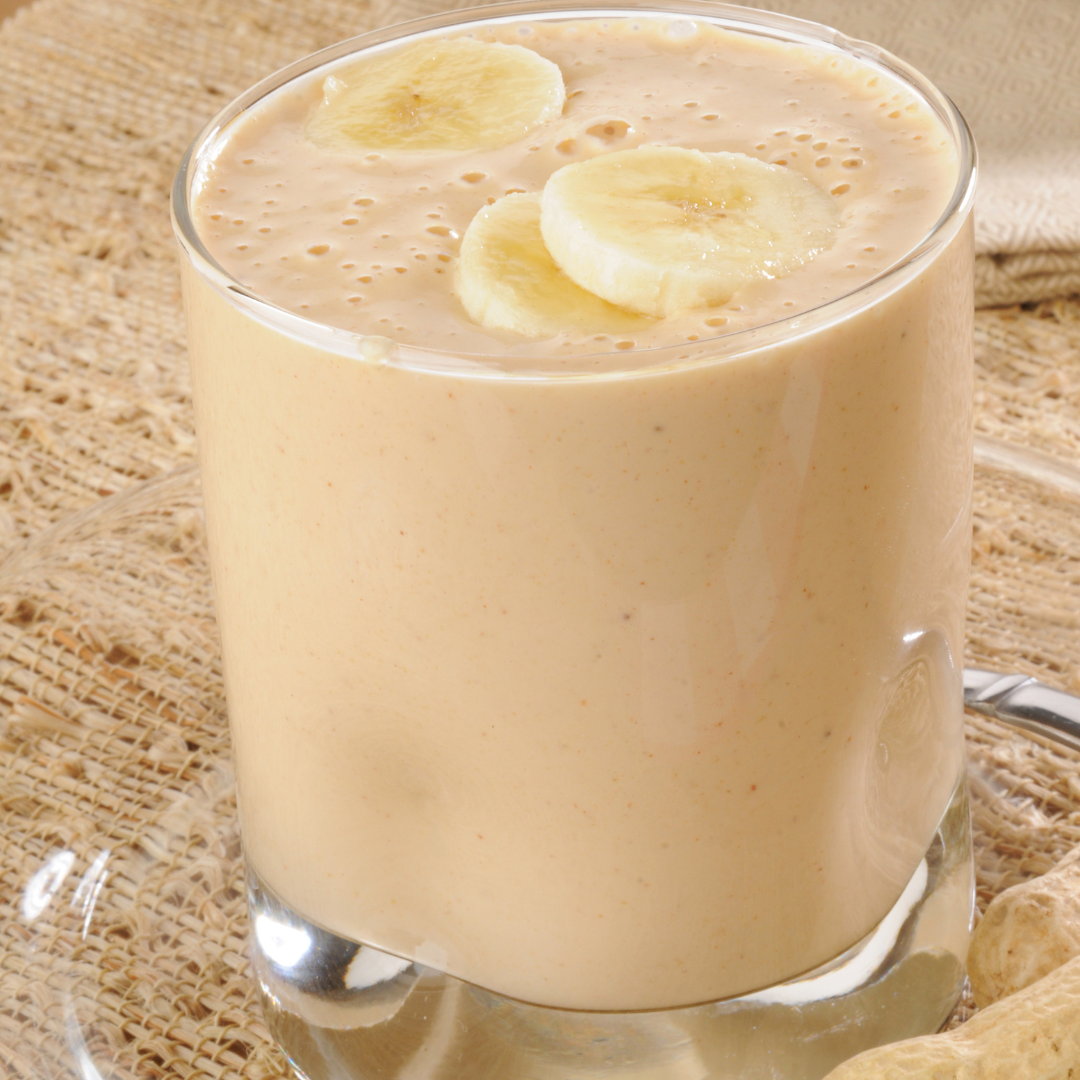
Peanut butter chocolate banana smoothie
- 1/2 cup kefir
- 1/2 cup milk
- 3-4 tbsp peanut butter
- 1 ripe banana
- 2-3 tbsp chocolate
- 1-2 tbsp honey (to taste)
Blend together until smooth.
Final Thoughts
If you’re looking for one simple food you can add to your diet to make a big difference in your health, kefir is definitely the way to go. While we’ve had great results by adding different foods to our diet and taking out others, none has made as big of an impact as kefir. It truly is a magical form of probiotic. It’s helped us get sick less often and cleared up my seasonal allergies! As always, I hope the information I share will help you on your family’s health journey!
-Katie
Research
As always, here’s some research about the benefits of kefir in case you’d like to learn more!
Azizi, N. F., et al. (2021). Kefir and Its Biological Activities. Frontiers in Nutrition, …. Discusses kefiran’s role and multifaceted health effects of kefir. ScienceDirect+15PMC+15Verywell Health+15
Rosa, D. D., Dias, M. M. S., Grześkowiak, Ł. M., Reis, S. A., & Conceição, L. L. (2017). Milk kefir: nutritional, microbiological and health benefits. Nutrition Research Reviews, 30(1), 82–96. Reviews wide-ranging kefir benefits including digestion, immunomodulation, and metabolic outcomes. Cambridge University Press & Assessment
Tingirikari, J. M. R. (2024). Kefir: a fermented plethora of symbiotic microbiome and health. Journal of Ethnic Foods, …. Highlights kefir’s symbiotic effects in health and disease prevention. BioMed Central
Apalowo, O. E., et al. (2024). Nutritional Characteristics, Health Impact, and Applications … Foods, …. Emphasizes kefir’s rich bioactive and nutritional profiles. MDPI
Peluzio, M. C. G., et al. (2021). Kefir and Intestinal Microbiota Modulation: Implications in …. Frontiers in Nutrition, …. Reviews kefir’s influence on obesity, diabetes, immunity, and neurological health through gut–microbiota modulation. Frontiers
da Anunciação, T. A., et al. (2024). Biological Significance of Probiotic Microorganisms from …. Microorganisms, 12(6). Details kefir’s probiotic functions, notably increasing beneficial gut microbes. MDPI
Tanure, Y. C. B., et al. (2025). Potential benefits of kefir and its compounds on …. …. Notes cognitive health-related bioactive compounds in kefir. ScienceDirect
Mukai, T., Toba, T., Itoh, T., & Adachi, S. (1990–1991). Structural investigation … Lactobacillus kefiranofaciens produces kefiran; kefir health associations outlined. Wikipedia+2Wikipedia+2